
Shooshie Sulaiman
Susyilawati Sulaiman, or Shooshie, belongs to a rare breed of Malaysian artists who work outside the parameters of market-friendly art. Her artworks - highly conceptual, site-specific and most often using found objects - are imbued with strong explorations of themes that question the viability of institutions or ideologies (Wardrobe [2002]) and address matters of identity. Previous works have wrought controversy in the exhibition space (termite-infested cupboards and melting cubes of ice in the National Art Gallery, for instance). Challenges are often presented to the viewer in terms of the form and boldness of critique. For instance, at an exhibition (2003) limited only to Malay artists, the artist responded with Siapa? [emak saya Cina, bapak saya Melayu] (Who? [my mother is Chinese, my father is Malay]), a work that blended elements of both Chinese and Malay origin. The sensitive work highlighted the limitation of the curatorial decision (in multiracial Malaysia) – and indeed society’s fixation with racial divisions – and harkened to personal encounters in the 1990s when the racial bisections in the Malaysian art world were more apparent. A work in this collection, Six Elements Erased (1977) further underscores the artist’s critical observation of her milieu. Key players (from pioneer Malaysian artists to critics and gallery-owners) are featured in a list-like manner and juxtaposed with geometrical shapes on wooden panels, alluding to the politics of the pecking order. The exclusion of many young artists such as herself is a reminder of the overall scheme; as a female with a local education in an essentially patriarchal structure, her challenges are magnified. Shooshie has spurned the stentorian values of modernism for the level playing field of the post-conceptual: content is favoured over form, and the primary and all-important voice of the artist is sidelined for artworks that integrate either the cognitive or physical presence of the viewer. The approach is a product of personal research that has taken her across various topics. The UiTM student displayed, even then, a knack for working beyond formal parameters and self-education. The writings of Carl Jung proved most influential; her final year works, Circle For Every Being (1994-96), bear testament. Also, the emotional element is inescapable in Shooshie’s works. She regards art as a therapeutic tool, a stance revealed in her Giebenrath series. The artist’s immediate practice is working with drawings and books. Her seminal Emotional Library – consisting of diaries titled Anna and Botanical Garden – was shown at Documenta 12 in Kassel, Germany (2007). In a pseudo-performance piece, viewers were invited into a curtained area (not dissimilar from a confessional space) to view the diaries and speak to the artist. This was followed by Emotional Baggage a year later, where the artist travelled to an exhibition in Japan with 16 personal diaries.
Education
- Universiti Teknologi Mara (UiTM) - Bachelor in Fine Art (1996)
Artworks
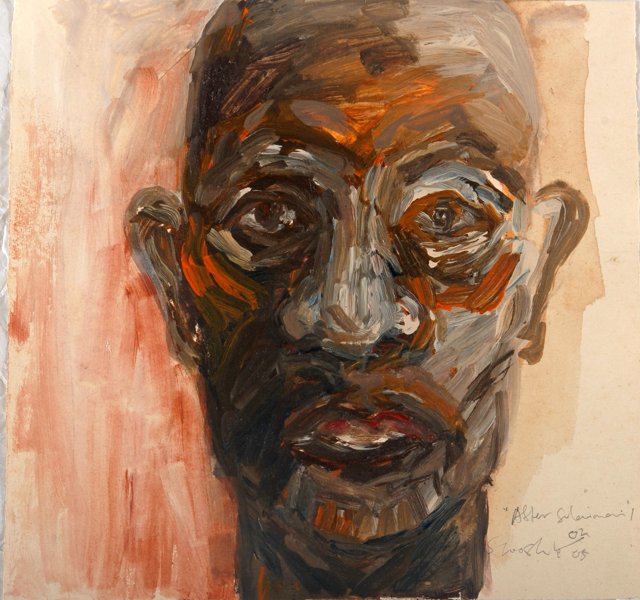
After Sulaiman (2005)
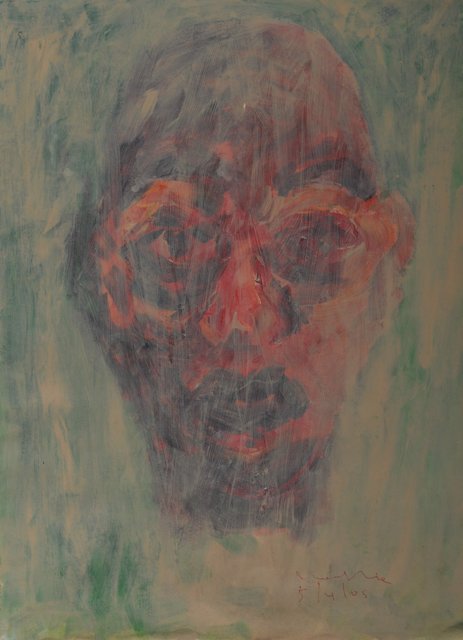
Api (2005)
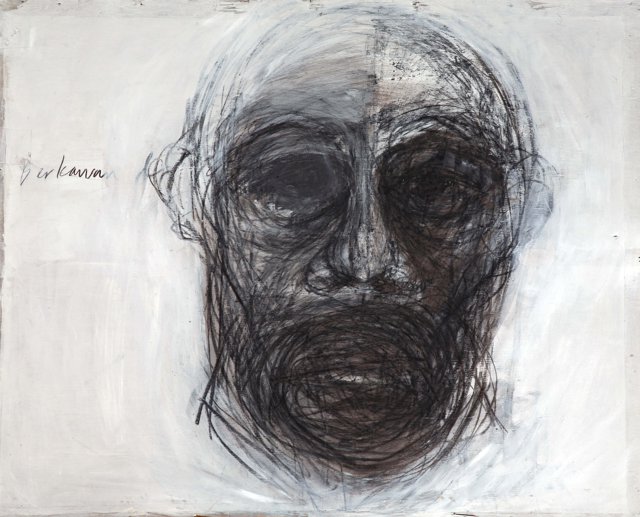
Berkawan Dengan Melayu (2005)
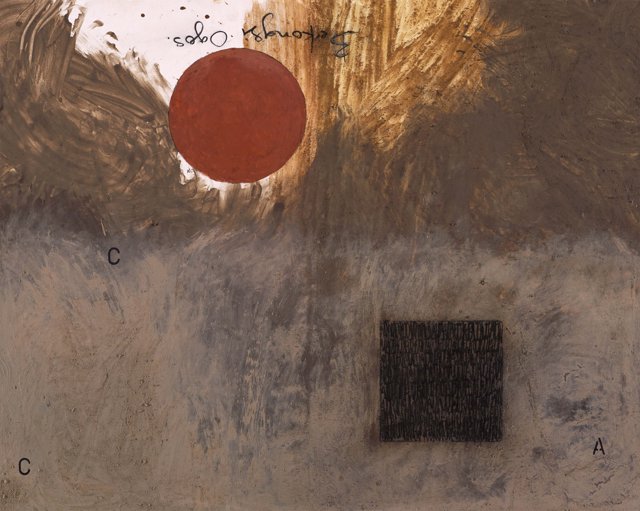
Berkongsi Ogos, Berkongsi Tanah, Tidak Kaabah (2015)
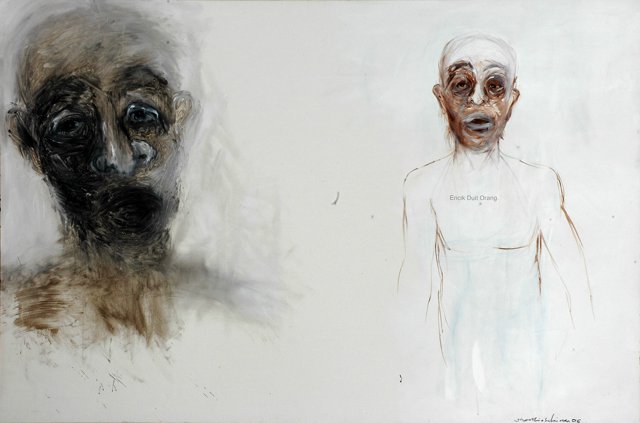
Encik Duit Orang (2006)
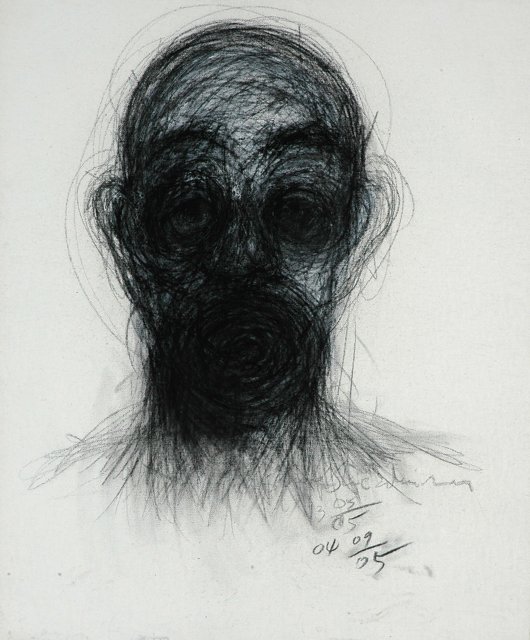
Encik Tali Bin Barut (2005)
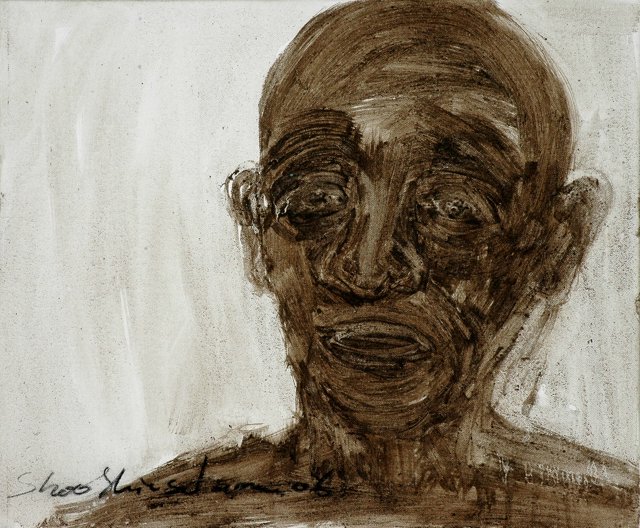
Encik Tanah Bin Air (2006)
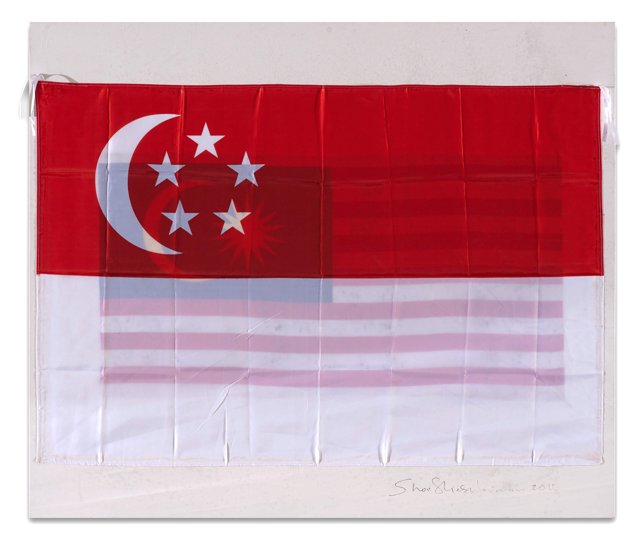
Inverted Overlapping (Flag Piece) (2015)
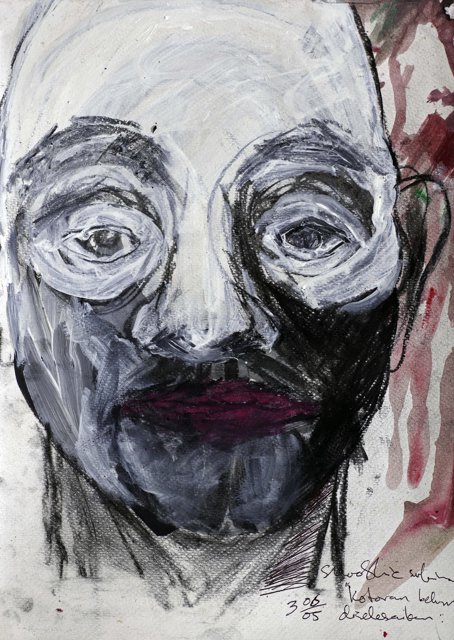
Kotoran Belum Diselesaikan (2005)
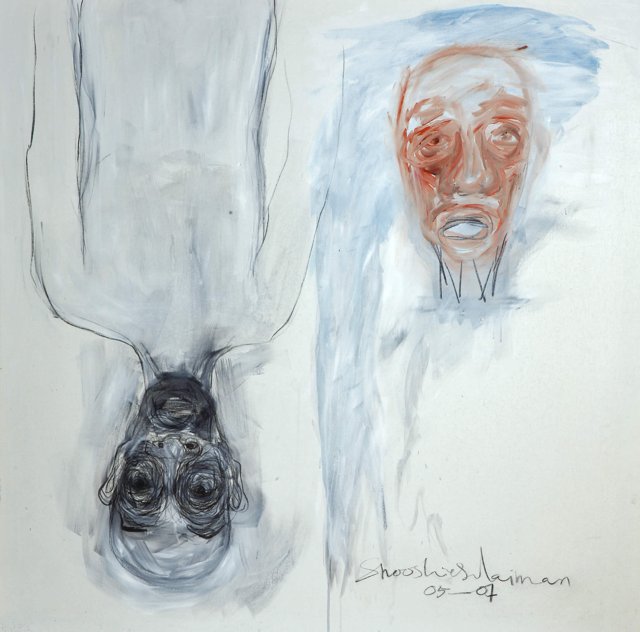
Lelaki Perempuan (2005)
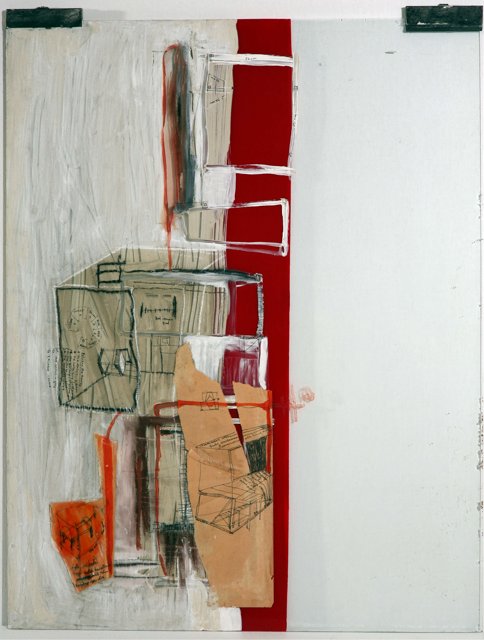
Letter To Sol Le Witt III (2000)
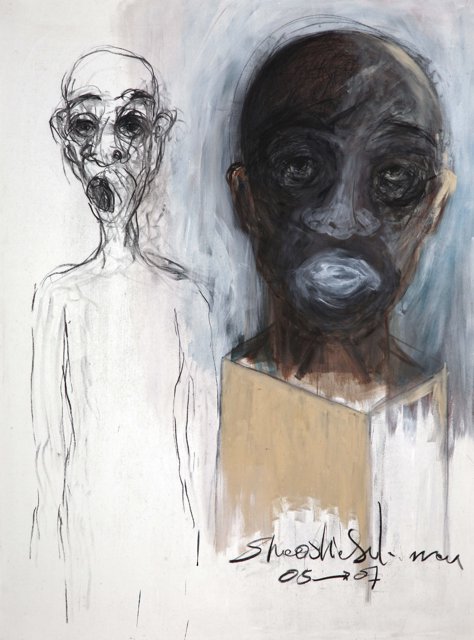
Malay Male On Pedestal (2005)
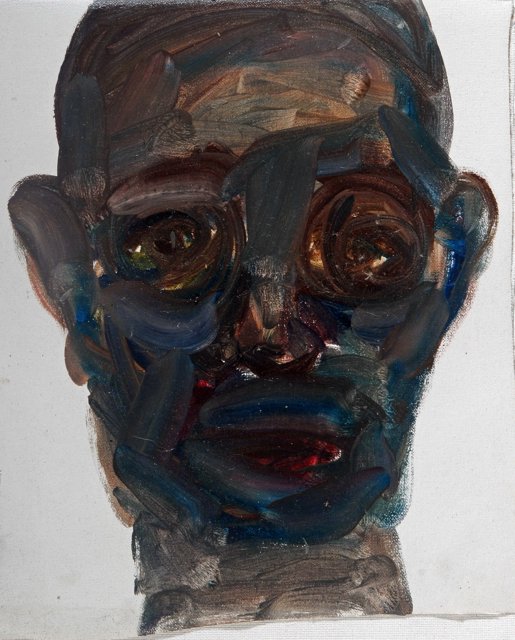
Muka Lebih Berminyak (2007)
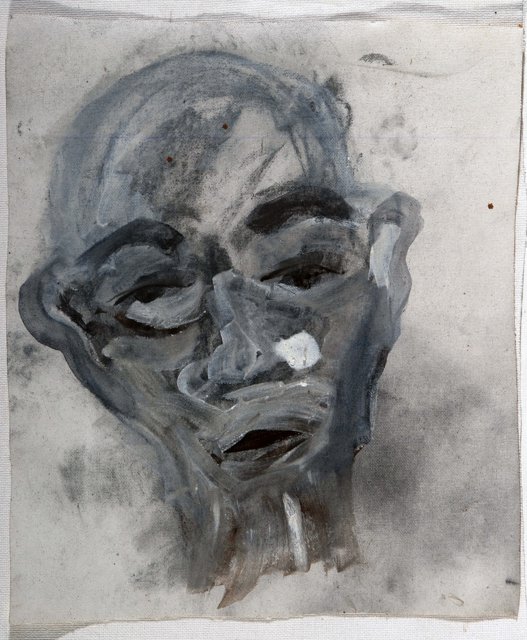
Muka Lebih Berminyak 1 (2007)
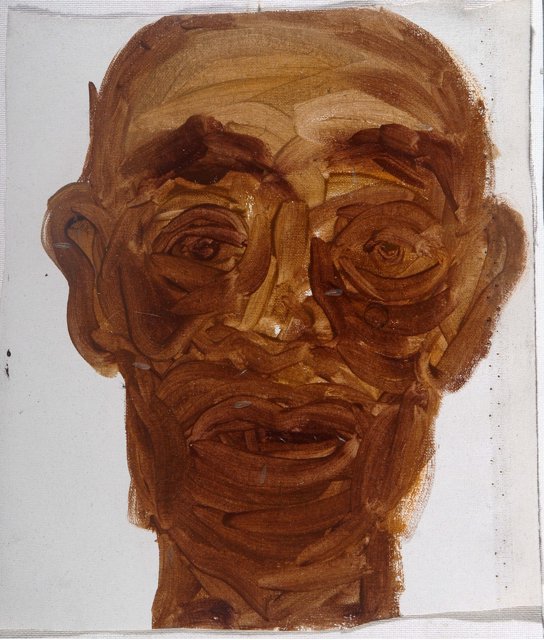
Muka Lebih Berminyak 2 (Kalakatu) (2007)
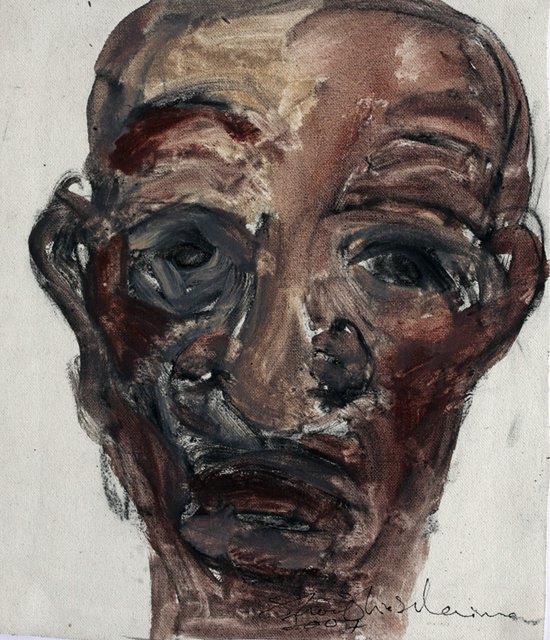
Muka Lebih Berminyak 3 (2007)
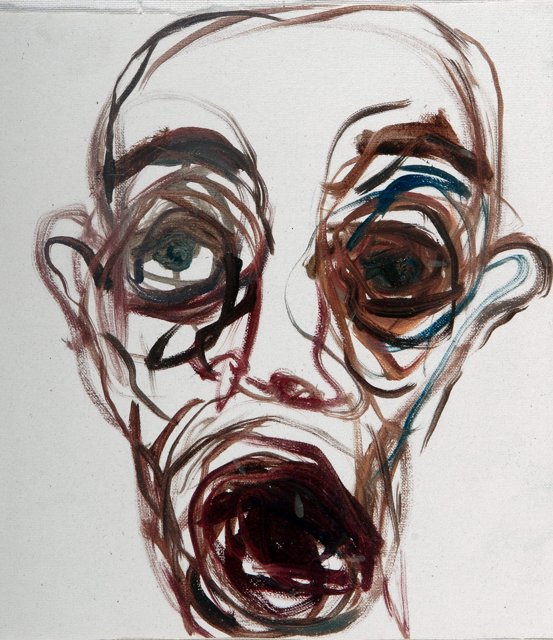
Muka Lebih Berminyak 4 (Kalakatu) (2007)
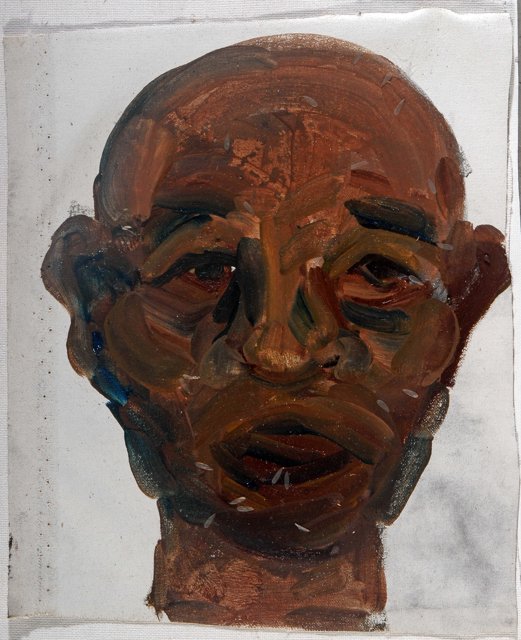
Muka Lebih Berminyak 5 (Kalakatu) (2007)
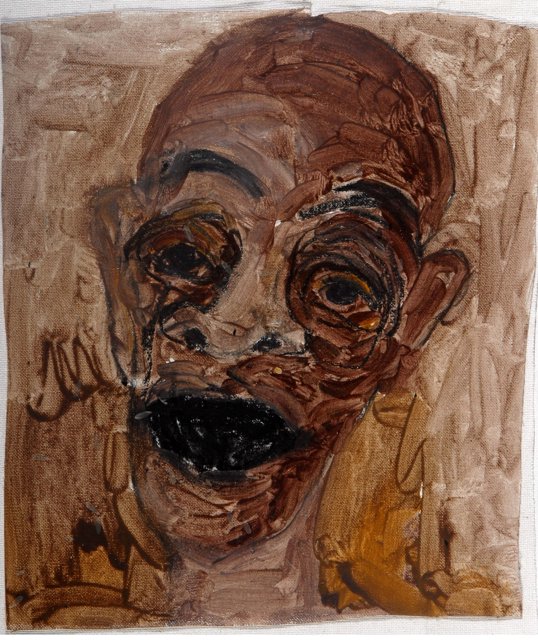
Muka Lebih Berminyak 6 (Bibir Lebam) (2007)
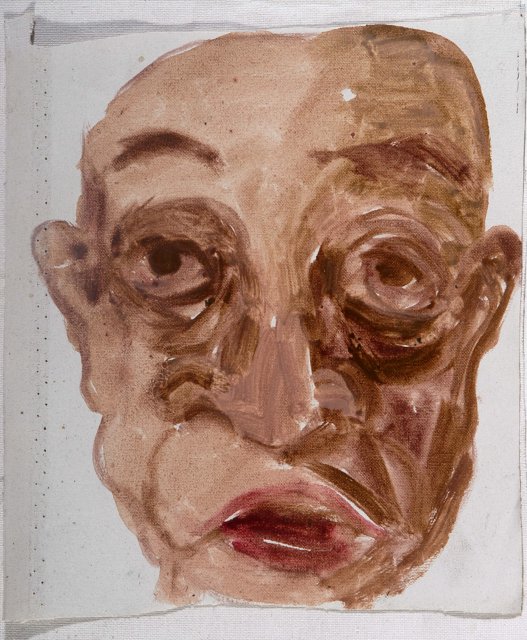
Muka Lebih Berminyak 7 (Mayat) (2007)
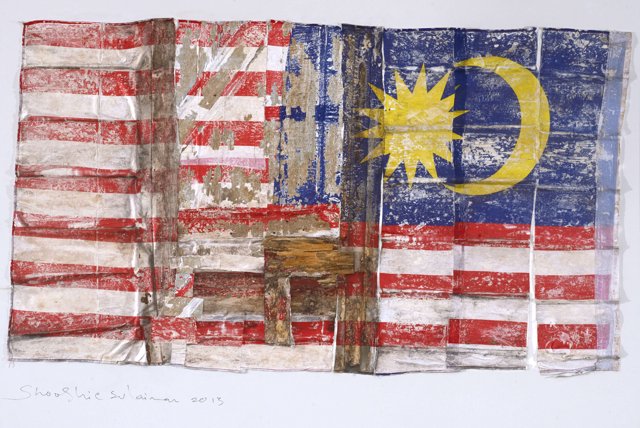
Negara Kita (2013)
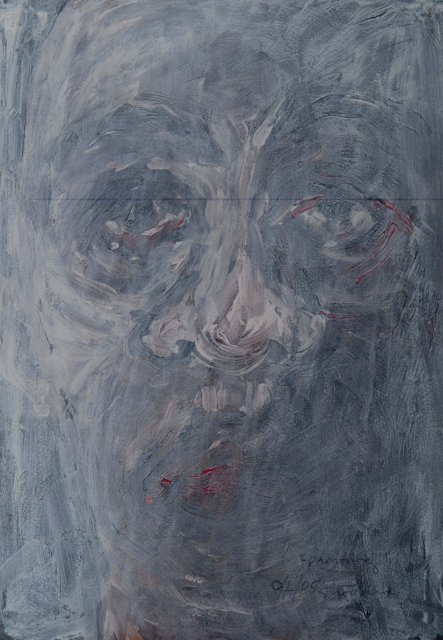
Painting (2005)
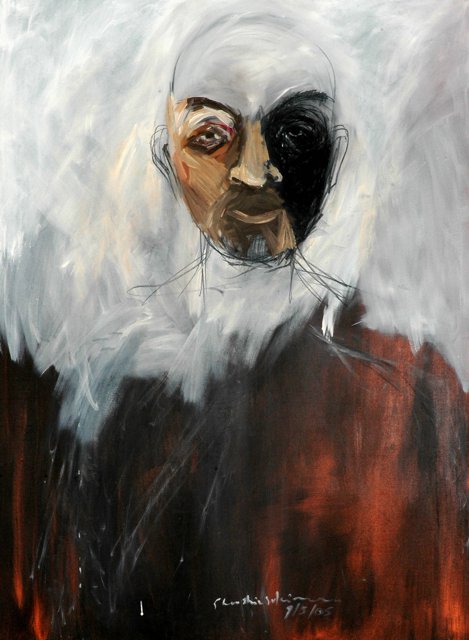
Roh Yang Keempat (2005)
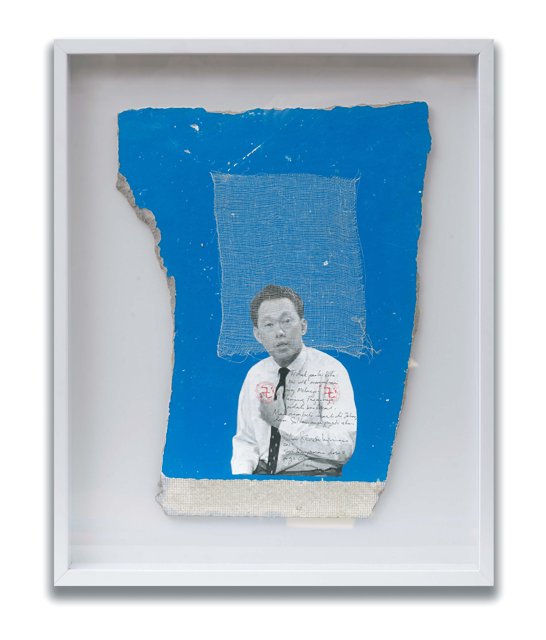
Selepas 1963 #1 (2012)
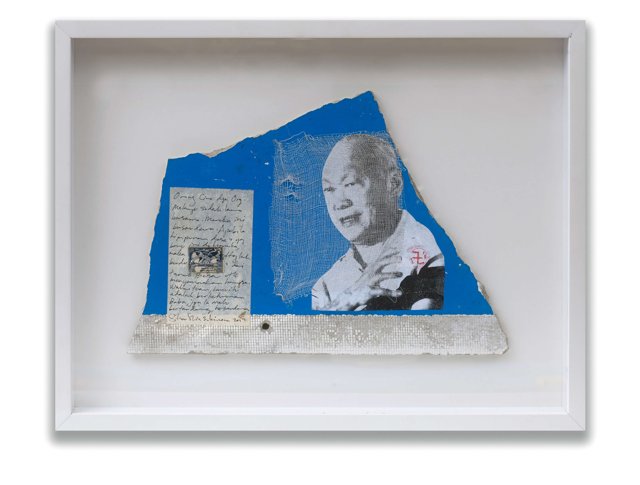
Selepas 1963 #2 (2012)
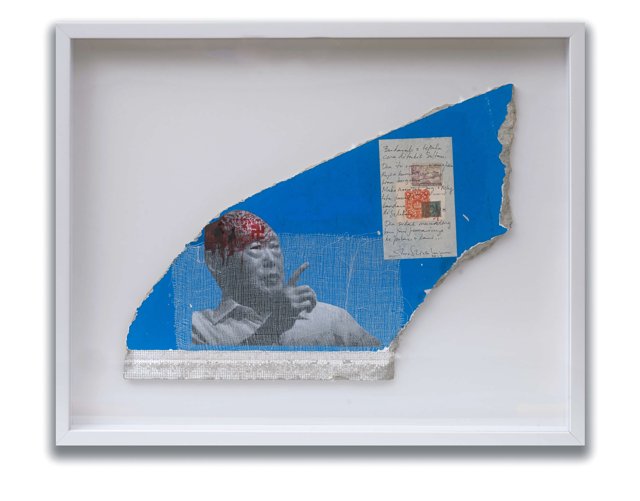
Selepas 1963 #3 (2012)
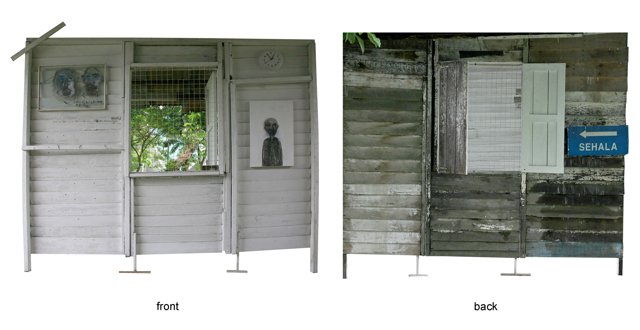
Setiap Kali Hujan Wairah & Zanita Menangis (2006)
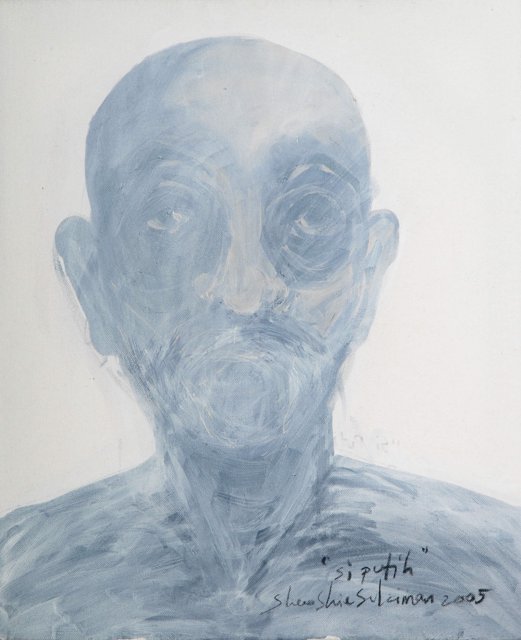
Si Putih (2005)
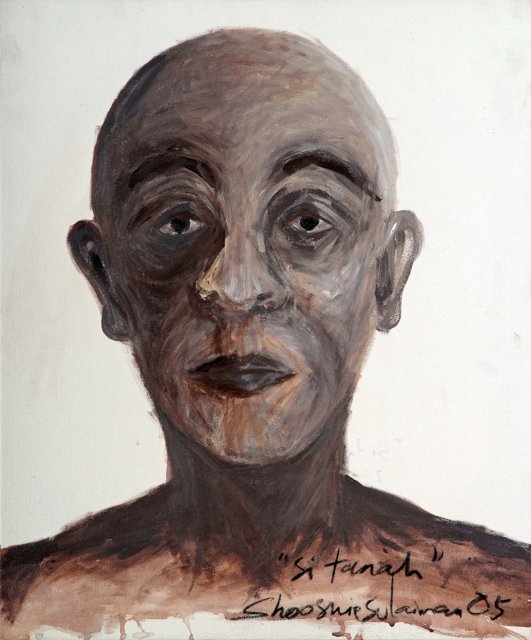
Si Tanah (2005)
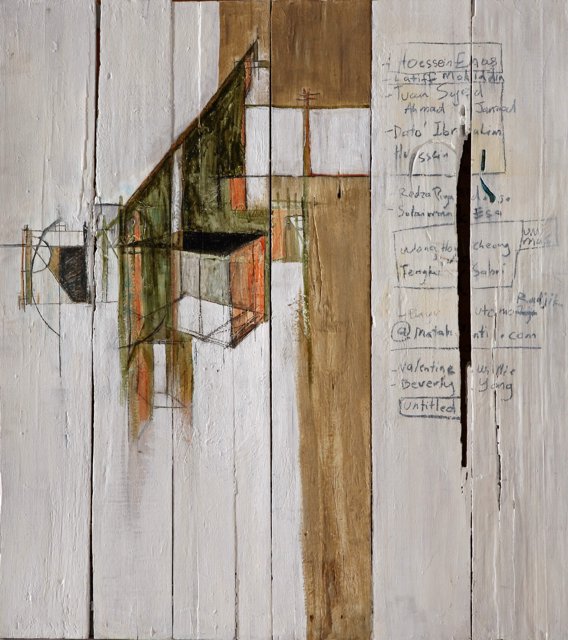
Six Element Erased (1997)
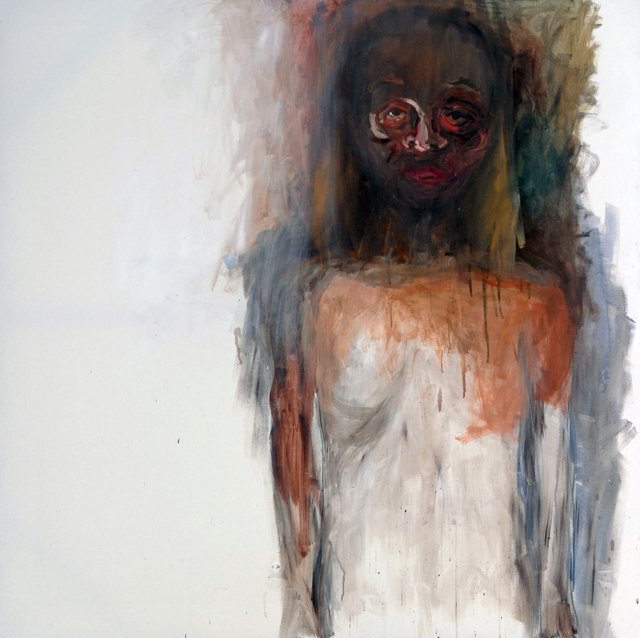
Sulaiman Bin Kemat (2007)
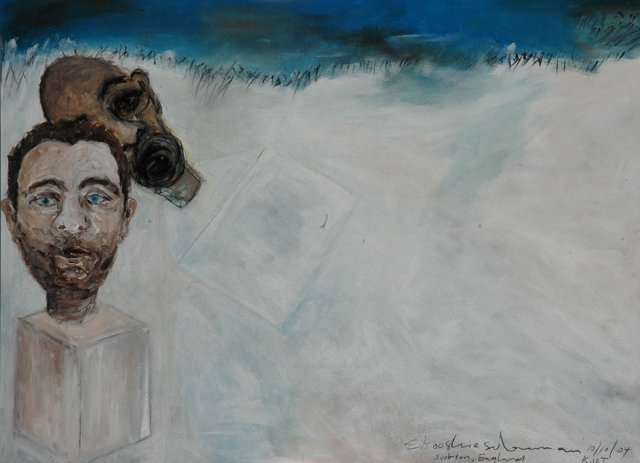
Sulaiman Upon Thames (2004)
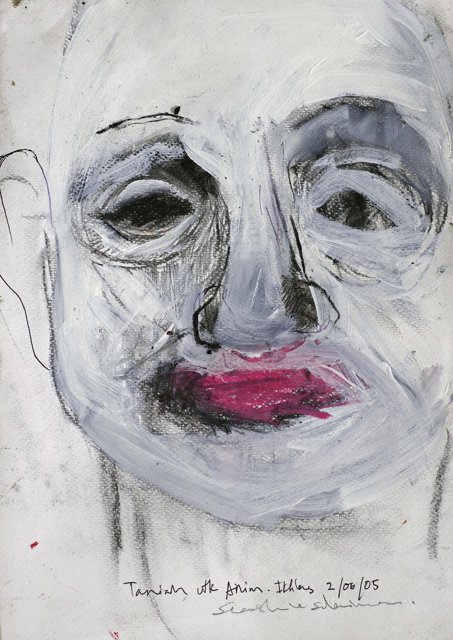
Tahniah Untuk Anim. Ikhlas (2005)
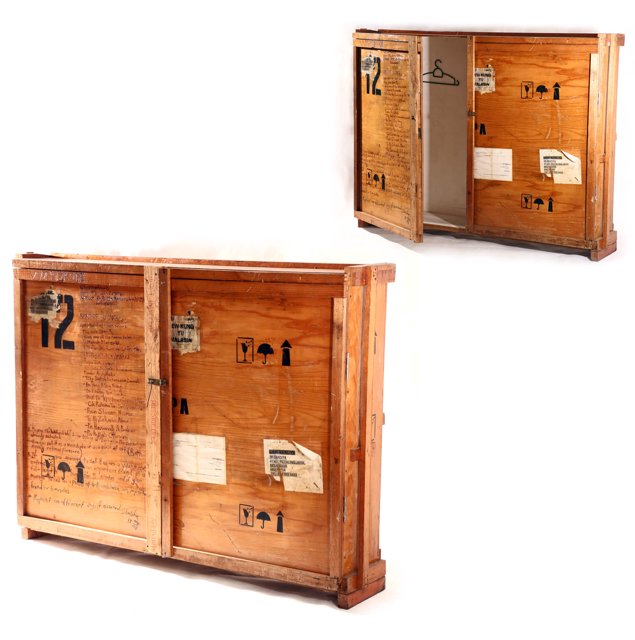
Wardrobe (2002)
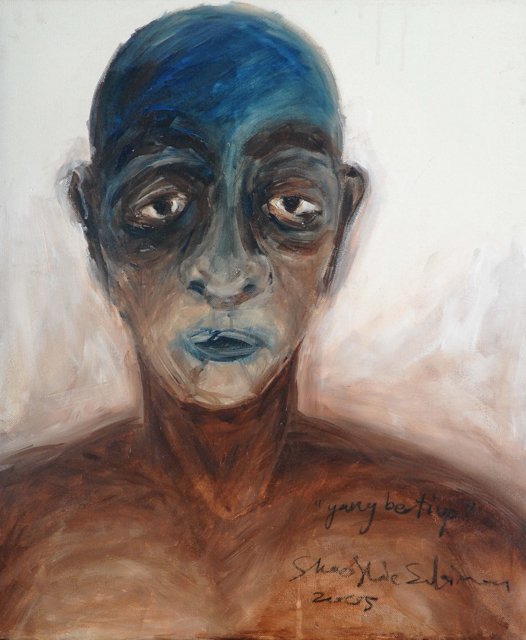
Yang Bertiup (2005)
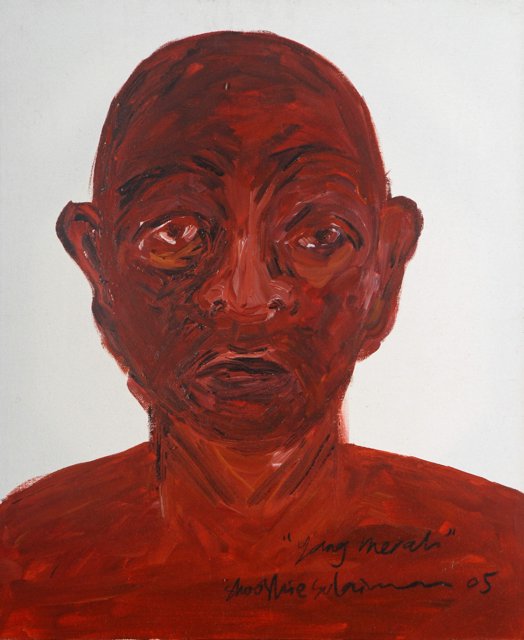
Yang Merah (2005)
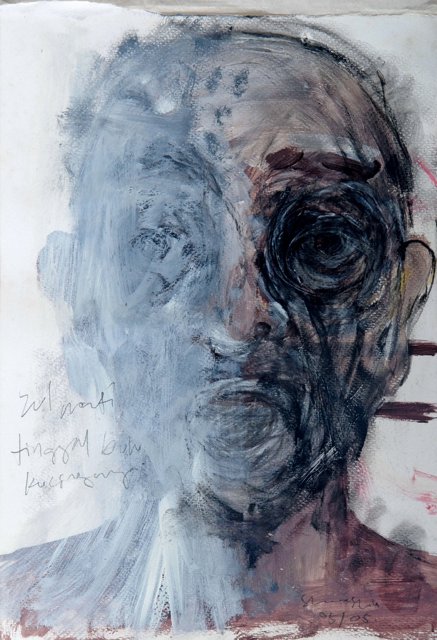
Zul Mati Tinggal Bulu Kucingnya (2005)